
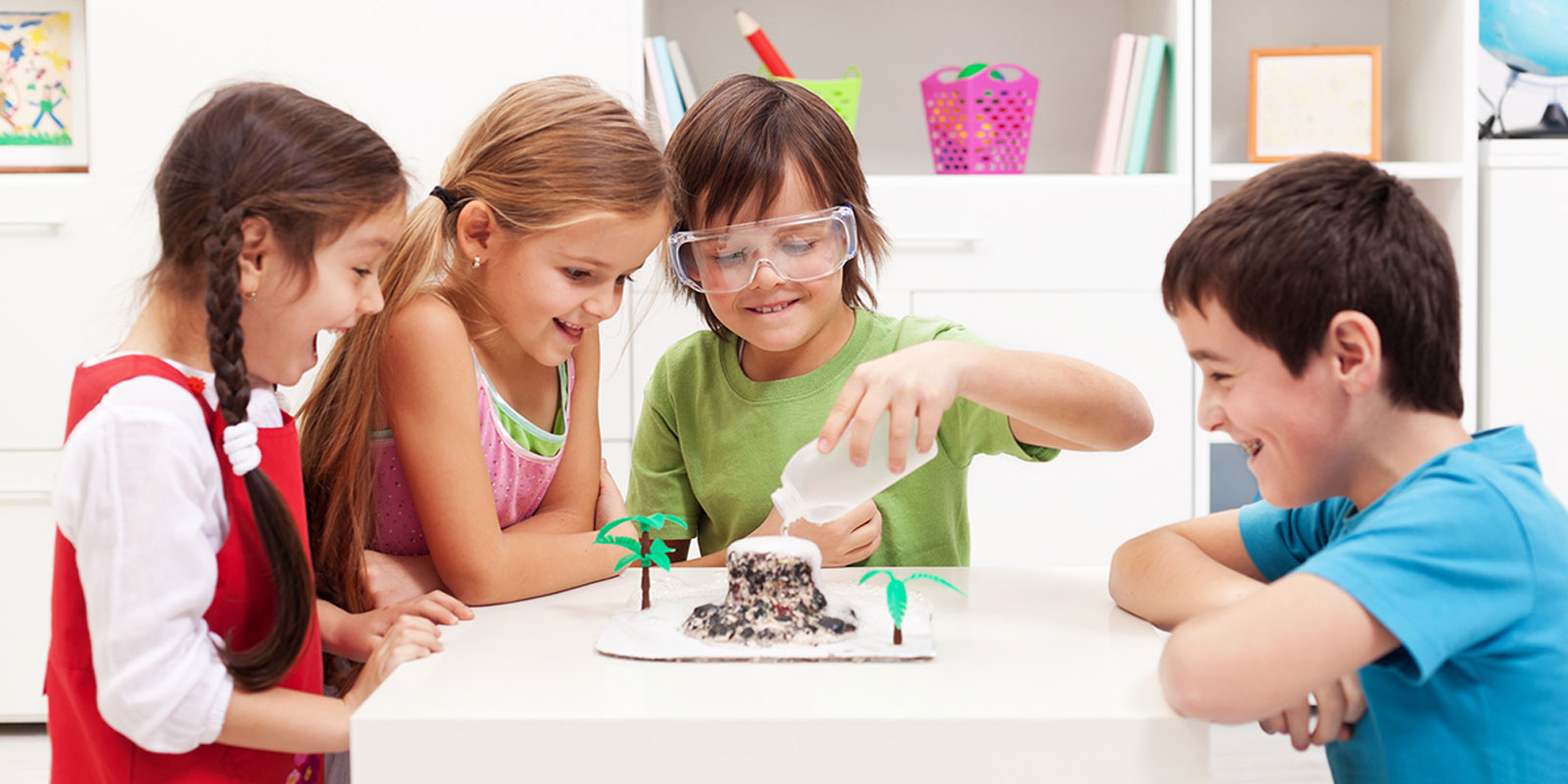
In children’s minds, playing or playtime is an important concern. To keep their brains and bodies busy, they need to play with their toys, invent scenarios, and run about with their friends or siblings. All of this is essential for their mental and cognitive development. A child’s inventiveness, dexterity, and strength in the physical, cognitive, and emotional domains are honed through playing. Children’s healthy brain development needs much playtime. Play is a way for children to connect and interact with the world around them at a very early stage of development. Playing is an essential part of children’s lives! While learning new things, children also develop their social skills, their imaginations, and their sense of self-worth while they play. It doesn’t have to be difficult to transform your child’s fun into a learning experience. The following activities may be included in your child’s spare time:
Allow them to make the show their own.
As long as it isn’t harmful. They will learn how to make choices and communicate with other people when they are in control of playing a game themselves. Regardless of what they want to do, let them play with play dough and pretend to run an ice cream shop, or simply play catch in the backyard. It’s a great opportunity to spend time with them while doing something that they like. The desire to use one’s expertise to aid one’s child is natural as an adult. Your child’s play might be disrupted if you try to suppress this tendency, even if it serves a critical function.
Play outside
Children these days spend a lot of time in front of screens. When used in moderation, screen time is OK, but it shouldn’t replace time spent outdoors with friends and family. To help your child learn and develop their creativity and sense of wonder, play is a great way to do this. Keep in mind that not every game or play is a chance to learn. You don’t have to do that. Make it possible for your child to choose and choose what they wish to do with their spare time. Children’s play should be centred on engaging in enjoyable activities. As soon as anything ceases to be fun, it ceases to play.
Play roles
When you were a kid, did you ever pretend to be a pilot or a grocery store clerk? Even the activities of their parents may influence a child’s behaviour. Role-playing may help children have a better grasp of how others interact with the environment via pretend play. That may pretend play might boost children’s self-esteem and problem-solving ability at the same time. As a parent, you may also become involved in your child’s games. It seems like they’ve set up shop in their bedroom. Let’s go shopping together!
That’s all there is to it!
Play is your child’s first and most important form of formal instruction. Involve your youngster in creative and leisure pursuits, while simultaneously promoting academic learning through instructors or your involvement, If you have a good grip on the fundamentals of play, you can maximise your child’s free time.
