BABY’S FIRST STEP, WHAT YOU NEED TO KNOW

This sentence, “I want to be a wonderful parent,” has always remained in your head, right? But don’t try to be perfect parents all the time; we’re all humans, and we make mistakes and learn from them. Put your worries away and understand the basics concerning what you need to know in this guide. Something significant occurs in a baby’s growth from one year onwards: they begin taking their initial movements. This is among the fascinating discoveries for parents for sure.

Don’t Rush

While we already know that all kids are unique and use their own patterns, kids typically begin to walk between 12 and 14 months. Some children will begin walking earlier, while others will begin later, but you should not be concerned or attempt to force a child to walk if he is not mature. This is a pretty common occurrence among parents who wish to walk their children from a young age. Only after 18 months, if the baby is still unable to walk, should you consider consulting a professional to check out any developmental delays.

Go With their Pace

When a child can stand independently, they are prepared to walk. Their initial movements are a little uncomfortable because they don’t learn how to handle their balance. They walk with their legs spread out and their toes splayed outwards, and if the floor is even slight misalignment, they will tumble over. They get increasingly solid and balanced as the months pass until they learn the ability at approximately two years. It also provides youngsters with a significant sense of safety and a unique approach to the world. Babies begin to crawl between the ages of 7 and 9 months, a phase that leads to their first movements. However, some toddlers begin walking before they have completed the crawling stage. Their feet are stronger around ten months, and they can raise a foot off the floor and jump a little if you lift them even by wrists.

There is no Set Time

Babies can normally walk by the time they are 11 months old if they hold their hand or grab onto a sturdy surface. They will have almost complete control of their movements by 18 months. Kids know how to walk in distinct ways; turn, go backward, and so on. Kids can walk properly at 24 months and are ready to move on to the next stage: trying to run. Teaching babies to walk is a great way to keep them active. We can’t make children walk, but we can assist them when attempting to take their initial movements.

Allow them to spend as much time as possible on the floor to be motivated to step up and take their initial movements on their own. Create a safe environment for them to begin walking in by providing boxes or tables to grab onto (no risky corners). Placing items on the floor, such as cushions or rubber puzzles, can provide fresh stimulation. Encourage or compliment your child for each modest step forward so that they learn self-belief and wish to retain attempting because it is among the most significant factors in child mobility motivation.


DELAYED SPEECH? HERE’S WHAT YOU CAN DO TO HELP YOUR CHILD

Have you ever considered any of these possible scenarios? Just Why has not yet my baby started to communicate? Is it necessary for my child to speak more? How can I assist my child in improving their communication skills? Just Why am I having trouble comprehending what my child is saying? Is speech therapy recommended for my child? If so, Here are some quick summaries of some of the other items.

I propose that you attempt one approach before moving on to the next. You don’t have to practice each method all of the time; instead, pick a few times every day or week to do so. Discuss what you’re doing. Describe what you’re holding, your actions, what you are seeing, feeling, and what you overhear, smell, or taste. Let’s talk about it! Seeing you talk regarding all of those topics will teach your child. The point is to keep your remarks brief. As a general rule, speak in sentences with the same duration or somewhat longer than your child’s.

Go with their Pace

If your child isn’t talking yet or is just saying one sentence at a time, you should use one-word and two-word phrases like “Ball. Throw.” “Throw the ball.”When speaking to your child, use a lot of two meanings but also toss in some three-word utterances and a few one-word statements if your child is largely using single words but is starting to put some few two-word phrases together. Don’t be afraid to say the same thing over and over again.

Sign Language can be important

Repetition is how these kids learn! Use sign language in this technique, you’ll continue to employ the self-talk outlined above, but you’ll add a gesture recognition sign to your spoken phrase.

Researchers have discovered that sign language is an effective strategy for getting kids to communicate (or talk more), particularly late talkers. Once they understand the value of signing as a medium of communication, they quickly leave signs in favor of spoken language, which is always a more successful means of communication for them. To learn some basic signals, you can use any book, website, or DVD covering sign communication or infant sign. Use parallel talk and this method is similar to the “Self-Talk” strategy, only that you’ll be talking about your child instead of speaking about yourself. You can identify the things your child takes, the activities she takes, how she feels, what she hears, and so on. Make sure you’re using sentences that are the same length or somewhat longer than the ones your youngster is using, but they’re only one or two pages long.

The Expansion Technique

Another technique is called expansions, in which you will expand on your child’s speech or gestures with this method. If your youngster says something, add one word to it. If your youngster says “ball,” you may respond with “want ball,” “mine ball,” “yellow ball,” “throw ball,” or any other phrase that includes the word “ball” and another word. You could even combine two or three examples. You can expand on your child’s emotions if he isn’t yet speaking. Say the term that relates to the gesture whenever he points to something or uses a gesture to connect with you. You can name the object he’s pointing to or reaching for, the emotion he’s experiencing, or whatever you think he’s trying to say.

HOW TO SPEED UP YOUR CHILD’S LEARNING

A tiny fraction of children may be able to “catch up” with their peers in terms of processing speed. This isn’t extremely likely, but it does happen occasionally. Processing speed is similar to height in terms of personality attributes. A child who has been smaller than many of his contemporaries for decades is unlikely to have a significant growth phase in his teenagers that allows him to catch up to his peers. However, some children do experience growth spurts. So, what options do parents have except waiting for nature to take its course? Here are some suggestions for assisting your child in increasing processing speed.

Give them control over their learning

Instead of formulating questions and refining their grasp of topics as they go along, noting that one reason youngsters do not learn properly is that they are constantly fed information. Ask your child what they want to receive from following a new idea to help them take control of their learning goals. Give your kid a book cover page, for example, and tell them what they see, think, and wonder about that as well. “I worry why food on the table is unfinished,” they may think, or “I wonder why the cat seems upset.”.And As a means of proving the concept, ask your child at the end of the story if they have worked out what they were curious about.

Watch out for their attention span

Remember that children’s attention spans aren’t the best, so keep that in mind while teaching them stuff. They may appear concentrated at times, but they are actually zoning out. It’s also no secret that pushing them to focus while they’re bored slows their development. Take some time to figure out how long your youngster can focus and practice within those parameters to control and stretch attention,”  “Average the ‘on-task’ time (how long they are currently performing or considering the tasks) throughout three to four sessions of training household chores (use a timer inconspicuously).”Create a study timetable that provides fifteen minutes of study and a 5-minute rest if your youngster can focus for roughly 15 minutes before being distracted. Mobility pauses (such as leaping bounds or stretches) are good for break activities.

Keep the toys away in breaks

Electronics or favorite toys should not be used as break activities because this makes the switch back to learning more difficult. If your child has a limited attention span, gradually increase their “on-task” time after one to 2 minutes every couple of weeks to help them lengthen it. Seek methods to help your youngster become more productive. This can be done with almost any assignment. Assist him in making a list of what is and isn’t required for the assignment. Your youngster can then rest assured that he is devoting his attention to the proper objectives. Keep a copy of the required list available so he may go over it. When you’re focused on day-to-day work, it’s easy to give up the sight of the big picture. However, remember that computing power could become somewhat of an issue as your child grows older. It’s because we prefer and choose careers and pastimes that are a good fit for us. A child with a slower thinking speed, for example, may not lean toward becoming an ER physician, but he could be an excellent radiologist. Eventually, you really would like to help your child reach his or her full potential. So this entails keeping expectations low. You got your child assessed, which is a fantastic beginning step. It will be easier to satisfy your child’s demands or fight for him if you know what’s coming

How to Support Your Child’s Mental Health Development

As a parent, it is really important to ensure that our children feel supported at every development step. While professional help may be necessary when children are experiencing significant difficulties dealing with life, there are several methods for parents to support their children’s mental health. Many parents understand the need to teach their children healthy eating and physical activity habits from an early age. It is becoming more and more common for parents to realize the need to support and develop their children’s mental health as part of their overall health and well-being.

Keep an open door for communication.

Mental diseases such as attention deficit hyperactivity condition (ADHD), autism spectrum disorder (ASD), and post-traumatic stress disorder (PTSD) might hinder a child’s capacity to communicate effectively (PTSD). These are all possible reasons young people can be unwilling or unable to interact with their families, friends, and teachers. Anger, dread, and even hatred may set in for even the youngest children, making the situation much more stressful for everyone involved. So you as a parent need to make sure that your kid is communicating well with you.

Emotions and sentiments should be spoken often.

Watching parents is a great way for children to learn how to express and control their emotions. Make an effort to describe your day in terms of multiple feelings rather than just stating that it was “good” or “OK.” When you’ve had a stressful meeting or been upset with one of your coworkers, share your experience. Then, share how you dealt with your emotions in that circumstance. This educates kids that these sensations are normal, offers advice on dealing with them, and equips them with the language to discuss a larger spectrum of emotions that impact them. Discussing mental health with older children and teenagers should not be avoided.

Avoid letting kids “grow out of it” by intervening now.

Because every kid is unique and at a different developmental stage, what you think is typical for yours may be abnormal for someone else’s. Consider how his illness has impacted him and yourself and the rest of your family. Allow yourself to experience the loss you’ve suffered. You are not a bad parent if you detest how your child’s behavior affects you; you may love your child and not like how his or her illness affects you. Learning appropriate ways of dealing with your emotions is the ultimate purpose of this course.

Wrapping all up

Providing children with luxury and expensive gifts is not enough to take care of their mental health; they need your love and support. Especially in today’s era where children are under so much stress because of their studies, they need special care. Various parenting methods will be required depending on your child’s age. One kind of child may have a steely resolve no matter how rough their parents are, while the other is more flexible.

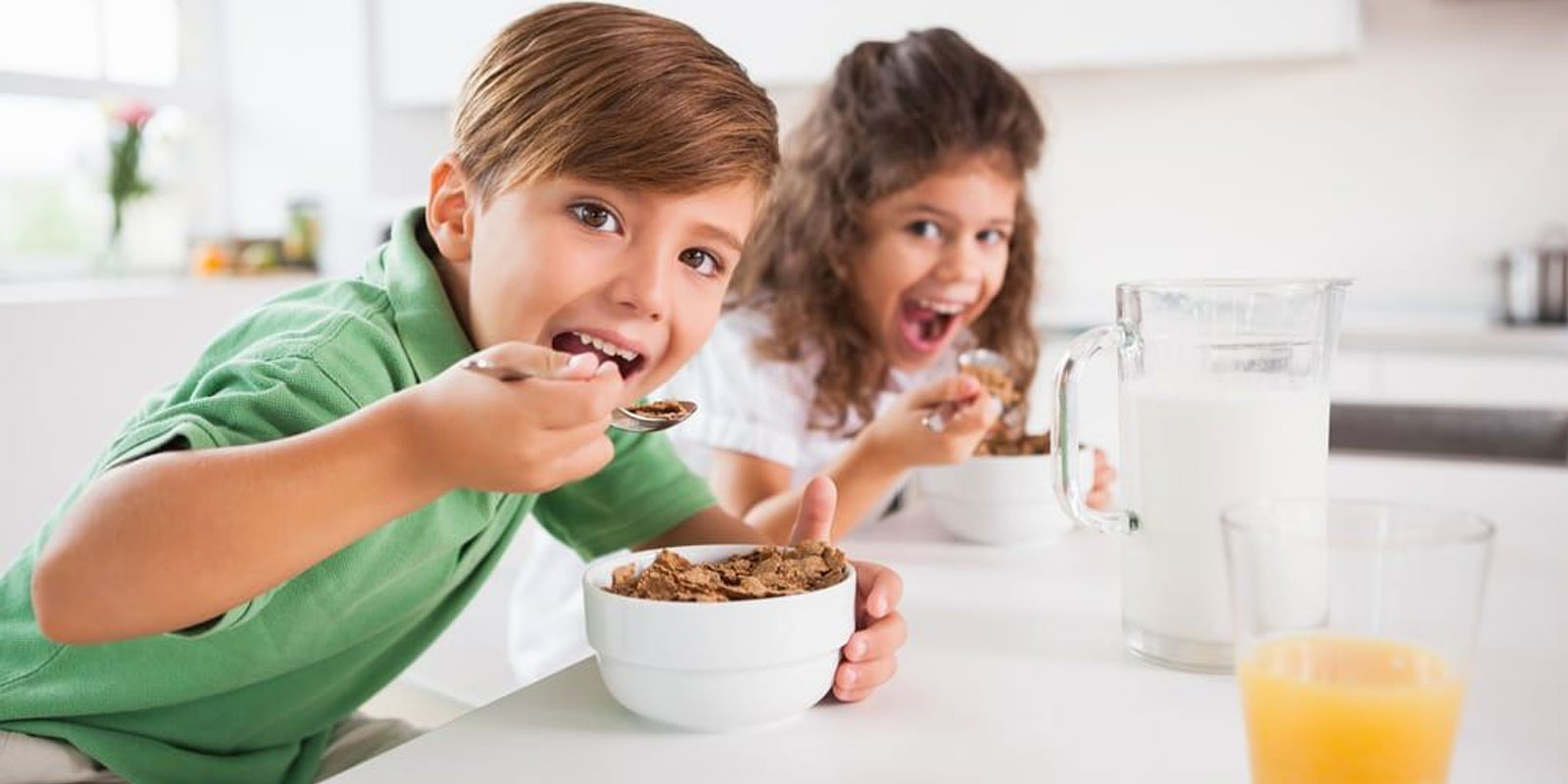
MEAL TIME QUESTION, HOW MUCH SHOULD YOUR CHILD EAT IN A DAY

As a parent, you want to provide your child with the best nutrition possible, right? But the question is should we keep to a mealtime schedule? Of course, having a consistent mealtime can help with the household’s daily rhythm, but it doesn’t have to be a precise time or volume of food eaten at each meal. Allow for some flexibility in the meals plan as your family’s daily dynamics shift and flow. This could make you feel awkward in practice.

Keep the Calorie count for you, Not for your child

As adults, we crave temporal patterns and specific figures, such as calorie counting. However, pushing children to consume a set quantity or forcing them to consume when they aren’t enough can result in overeating and ignoring the body’s hunger and fullness cues. The body does not keep track of how many calories it consumes daily. It fluctuates throughout the week, with some days requiring more calories than others. This mechanism functions perfectly when we eat the foods that our bodies were created to eat, which are foods found in nature, such as whole and fruits and vegetables. Whole grains that have been minimally treated. Cuts of meat, poultry, and cold-water fish that have been raised on grass. Nuts, peanuts, guacamole, palm and walnut oils, and ghee are all good sources of healthy fats. But, while all of this sounds wonderful, aren’t most meals very pricey? Some of our suggestions are more expensive at first, but others, such as dry beans, lentils, peas, or large whole grains, are highly cost-effective. Here are a few purchasing suggestions: Examine your grocery bill and purchase the highest-quality items you can afford. Buy in bulk for shelf-stable products such as dried beans, lentils, and chilly frozen or canned seafood. It will save you some purchasing and lower your per-serving expense.

Quality over Quantity

Children’s daily dietary requirements, like adults’, vary depending on factors like height, weight, age, exercise level, general health, and more. Given current knowledge on how our bodies work best, previous conceptions like calorie tracking and nutrient calculations are becoming archaic. Quality over quantity should be your priority as a family. Allow youngsters to heed their bodies’ natural hunger and fullness cues by providing them with space and direction. Food is a medicine. Minor changes to your family’s diet now could drastically lessen future reliance on costly health-care demands. Value your health and you will never be sorry.

Signs That May Say Your Child Is a Genius

Have you ever looked at your child and wondered if he will be a top student or an average student? You must be curious about how genius your child is. Every parent wonders that. The truth is, all parents want to think that their children are one of a kind. The next generation of brilliant minds will undoubtedly include some youngsters. Many educators search for additional markers of outstanding brilliance that cannot be tested or examined to identify whether their students are geniuses. Several characteristics distinguish geniuses from other people. Among them are the capacity to break ground and be innovative and utilize their brains in a useful way, which may significantly impact society. If you notice any of the following, you may have a future Einstein in your midst.

Impeccable Memory

If your child learns new information in school or public life and has a good memory, congratulations! You are raising a genius. It is one of the most common signs of being a genius. You’re growing a very sharp kid that might go places if you educate them well and give them the right opportunities. But also be willing to face the challenges of your genius children and their inquisitive and nosy minds. Even though other children seem to forget things, your child retains every bit of knowledge that has been fed to their brains.

An alert mind is an intelligent mind

While in the womb, a baby’s waking hours are spent observing their surroundings, people, and various actions. As soon as a baby is being held or spoken to, its eyes appear to be riveted on the person holding or conversing with it. The infant’s behavior might vary depending on the environment, from tilting their heads toward someone to reacting quickly to noises and movements. This might also lead to a higher level of consciousness. Infants with heightened perceptual levels may be more alert to changes in their immediate environment. If your child reaches out to wipe your tears or cuddle you, you may be confident that they have a high level of intelligence.

Inspiring Visions

How often is your child imagining scenarios and interacting with imaginary characters? If so, your child may be inventing scenarios that are a little complex for their age. If this is the case, you should be prepared to raise a genius in your household. The baby’s fertile (and often over-fertile) imagination may need some restraint, particularly if it leads to more complicated circumstances. Even so, make careful not to restrain your enthusiasm. While parents are the greatest judges of their children’s intellect, there may be certain circumstances and situations in which it is impossible to identify high levels of intelligence in youngsters accurately. To be sure, it’s also a good idea to take an IQ test or connect with an expert on the subject.

To sum all

Keep a lookout for precocious conduct, but don’t overreact. Every youngster will show flashes of brilliance every now and then if they are raised in a stable environment where their fundamental needs are being satisfied. The unexpected is a big element of having fun with kids. However, if your child has a record of outlier behavior, you may be parenting a child that requires stimulating intellectual challenges. To raise a well-rounded child, you’ll need to look for educational and social possibilities.

THEY GROW UP SO FAST- HOW TO PREPARE YOURSELF AS A PARENT

Children grow up so fast and their needs too, Having a child has a significant impact on your life and personal finance. Whether you plan to become a parent sooner or later, making sensible decisions now can lead to significant savings, feeling more in control, and having more confidence that you’re prepared for the duties of a baby. There is no such example of a good parent,” say after us. It’s hard to believe if you see those insta-mums appearing like they’re having the time of their life, but it’s true.

Going with the flow

Making mistakes as a mother (or father) is inevitable; you shouldn’t be so hard on yourself. You might have a high-needs child or a low-needs child. Breastfeeding may come naturally to anyone, or it may take some practice. You won’t know much about your kid until they come, including their personality and feeding/sleeping habits. It can be enjoyable to accept the uncertainty at times, so don’t be concerned or overwhelmed. Think about your parenting duties; It’s time to get an honest talk with your spouse about your expectations when you and your spouse become parents. Discuss parenting responsibilities about who will be doing what around the house. Determine how the jobs will be distributed.

Support Each Other

When you’re a new parent, emotional support is crucial, and not feeling like you have that help or support can lead to disputes and the occasional young mothers’ relationships difficulty, so have a talk and think about it immediately. Making a new baby budget is one of the most important things once you’ve figured out your larger spending, it’s important to create a plan to compensate for little things that add together. Start looking up pricing on diapers, milk, baby food, furniture, clothing, and other products you might need to avoid any unpleasant surprises. For your date nights, don’t forget to budget for additional washing powder and babysitter bills. Find out how much your friends, family, and coworkers spend. Also, keep in mind that buying in bulk can save you money.

5 best activities for your child’s development

To have enough time to play, children need a lot of free time. It is the foundation of a child’s intellectual and emotional growth and their ability to express themselves verbally and creatively. The capacity to focus and learn about social interactions and conventions and the beginnings of scientific thinking are both essential for future success in the classroom. The United Nations has recognized the freedom of children to play as a universal human right.

Planning of play

An organized approach to teaching youngsters discipline and protecting their brains from being too stressed has been scientifically proven. Make it a competition. Pick up any little toys on the floor using a dustpan and an egg timer set for five minutes. This is a great opportunity for your child to have some fun.

Healthy playtime

Even though there is no right or incorrect manner for your child to play in their free time, ensure that your involvement is appropriate. In either case, you risk stifling or encouraging your child’s natural curiosity and imagination. It’s okay for your child to discover a level that works for them. Play-based learning is an ongoing process, so keep that in mind. Playtime with your child’s toys shouldn’t be overlooked.

Interacting with people while having fun

At this time, children learn to play together with each other. This kind of play is more common among younger children who have older siblings or have been exposed to many other children. These kids will continue to use the preceding stages of play to varying degrees at different times.

Game of phonics

Snap or bingo may be played using letters and sounds. Scribble letters on bits of paper or cardstock to create your flashcards. Each letter should have two of them. With these, have some fun with a snap. For a different approach, you may create a bingo card with eight boxes, each of which has an individual letter. Take turns calling bingo with the flashcards laid out face down in a pile.

Guess who game

Ask your child to visualize a family member or a close friend without revealing who it is. You may use the mystery person as a source of information until you discover who he is. This time, it’s up to both of you to prove your mettle in the game. Your child will improve their critical thinking skills by interpreting the game’s crucial hints. The game of ‘Guess Who’ may be used to teach children how to use descriptive words.

Summing all up…

In the long run, the skills children develop while playing will serve them well in their adult life. Problem solving, inventiveness and a willingness to take risks may all be learned via play. Your child needs time and space to have fun. Each of the six stages of early childhood play is crucial to your child’s growth and development. The stages of play are all about exploration, creativity, and fun. The author of this piece examines how children’s play changes as they grow up and develop socially.

How to make your child’s playtime a learning time

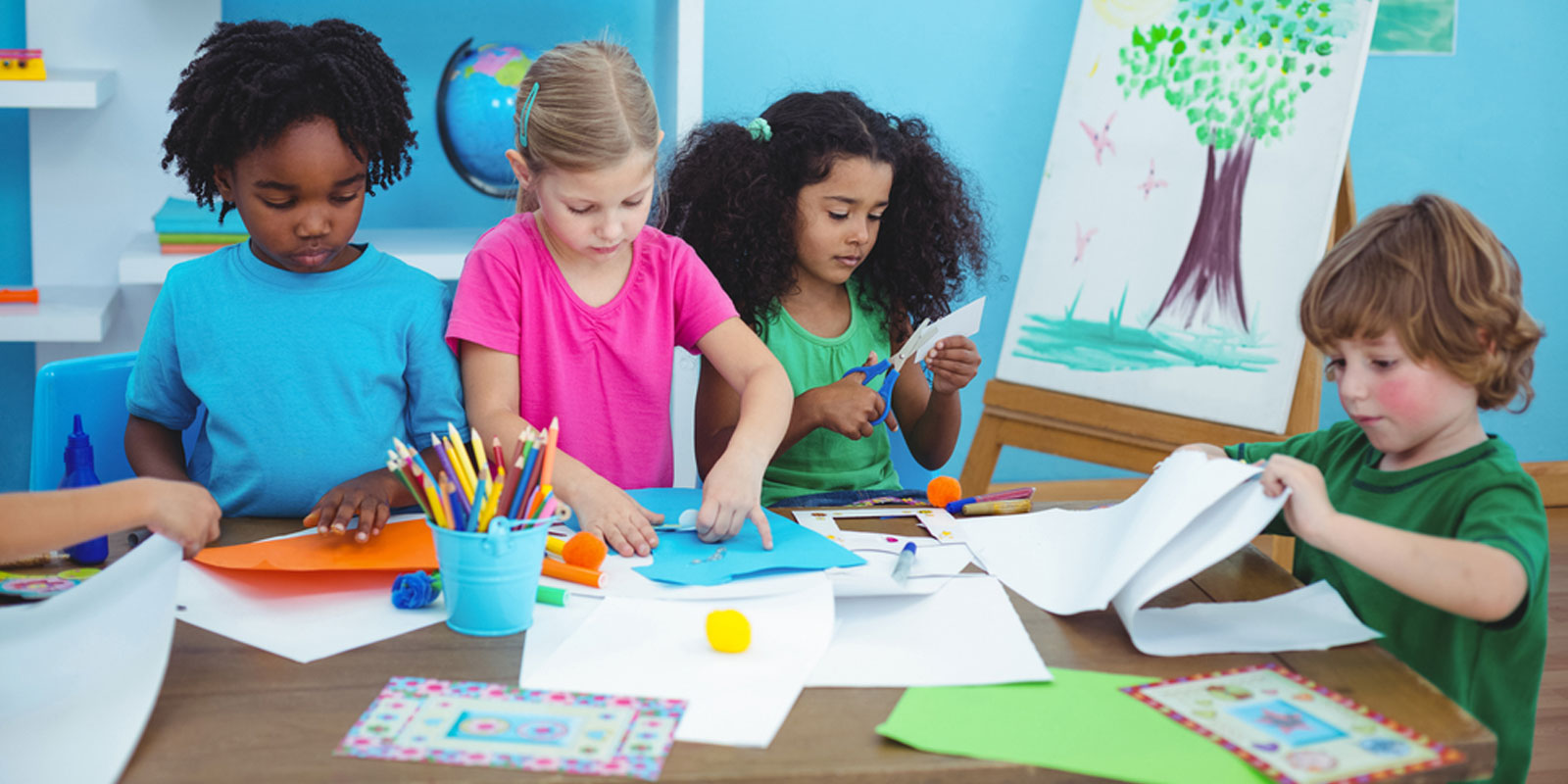
In children’s minds, playing or playtime is an important concern. To keep their brains and bodies busy, they need to play with their toys, invent scenarios, and run about with their friends or siblings. All of this is essential for their mental and cognitive development. A child’s inventiveness, dexterity, and strength in the physical, cognitive, and emotional domains are honed through playing. Children’s healthy brain development needs much playtime. Play is a way for children to connect and interact with the world around them at a very early stage of development. Playing is an essential part of children’s lives! While learning new things, children also develop their social skills, their imaginations, and their sense of self-worth while they play. It doesn’t have to be difficult to transform your child’s fun into a learning experience. The following activities may be included in your child’s spare time:

Allow them to make the show their own.

As long as it isn’t harmful. They will learn how to make choices and communicate with other people when they are in control of playing a game themselves. Regardless of what they want to do, let them play with play dough and pretend to run an ice cream shop, or simply play catch in the backyard. It’s a great opportunity to spend time with them while doing something that they like. The desire to use one’s expertise to aid one’s child is natural as an adult. Your child’s play might be disrupted if you try to suppress this tendency, even if it serves a critical function.

Play outside

Children these days spend a lot of time in front of screens. When used in moderation, screen time is OK, but it shouldn’t replace time spent outdoors with friends and family. To help your child learn and develop their creativity and sense of wonder, play is a great way to do this. Keep in mind that not every game or play is a chance to learn. You don’t have to do that. Make it possible for your child to choose and choose what they wish to do with their spare time. Children’s play should be centred on engaging in enjoyable activities. As soon as anything ceases to be fun, it ceases to play.

Play roles

When you were a kid, did you ever pretend to be a pilot or a grocery store clerk? Even the activities of their parents may influence a child’s behaviour. Role-playing may help children have a better grasp of how others interact with the environment via pretend play. That may pretend play might boost children’s self-esteem and problem-solving ability at the same time. As a parent, you may also become involved in your child’s games. It seems like they’ve set up shop in their bedroom. Let’s go shopping together!

That’s all there is to it!

Play is your child’s first and most important form of formal instruction. Involve your youngster in creative and leisure pursuits, while simultaneously promoting academic learning through instructors or your involvement, If you have a good grip on the fundamentals of play, you can maximise your child’s free time.

Teach your kids how to listen – with these 4 fun ways

Are you curious about why your kids don’t listen to you? Valid curiousness! Regardless of their age, a child’s need for power is hard-wired into their DNA. By preventing them from making good choices like deciding what to dress, deciding on the menu for supper, or picking a game to play, children are engaging in negative forms of power exertion. Teaching your child to listen is one of the most important things you can do for him or her. Even though it’s usually overlooked, it’s simple to accomplish with simple games and activities. Starting these activities at a young age is desirable; however, they may be continued throughout a child’s life.

Flash cards

A big number of flashcards should be placed on the floor for students to use while they sit on the floor. Create a story based on the photos in the flashcards. Students closest to the flashcard must be in direct touch with it when you repeat the word aloud from the card’s back. A farmer formerly had some cow, sheep, and pigs (touch)” is a good starting point for a story (touch).

Ask questions randomly

The lesson’s subject matter should be kept in mind when drafting a conversation. Also, come up with some questions based on the conversations. The conversation is read by two students while the rest of the students listen and then respond to the following questions. During higher-level seminars, give each group 15-20 minutes to prepare a discussion and follow-up questions (questions on a large sheet of paper). After this, each team posts a question on the whiteboard for the whole class to respond to.

Story telling

The storyteller opens a story with a single sentence. At this point, everyone has contributed at least one sentence to the story; the process continues indefinitely. For smaller parties, it is feasible to go twice or three times. To do this you must pay attention to what has been said before and relate it to your ideas. When a tale is narrated, language learning takes on a life of its own and becomes a dynamic, even creative, experience for young learners.

Simon says game

The only way to move in this game is to listen for the leader to say “Simon Says” and only move when he does. Each player takes a turn as the leader in this game that teaches players to manage their impulses. A new study from the United States shows that children who play games like Simon Says have better impulse control and emotional stability. They are also more aware of what is expected of them, and their language and reading skills increase.

And that’s a wrap…

At your local library or on the internet, you’ll find a plethora of games and activities that may help your child enhance his or her early literacy and numeracy skills. As a bonus, these ideas are certain to make you chuckle! Children’s listening exercises may be fun and educational for both you and your kid. By encouraging your children to pay attention creatively, you’ll use less screaming and more laughing. What do you think? Wouldn’t it be amazing?

Little Bunnies Learning Centre is an Edmonton facility based Childcare program and offers one of the best services in its category. contact us for more information. You can also get in touch with us through our social media platforms.

Newsletter Sign Up

Please provide your email address and signup for all the latest news and events happening at Little Bunnies Learning Center.

Copyright © 2024 All rights reserved.