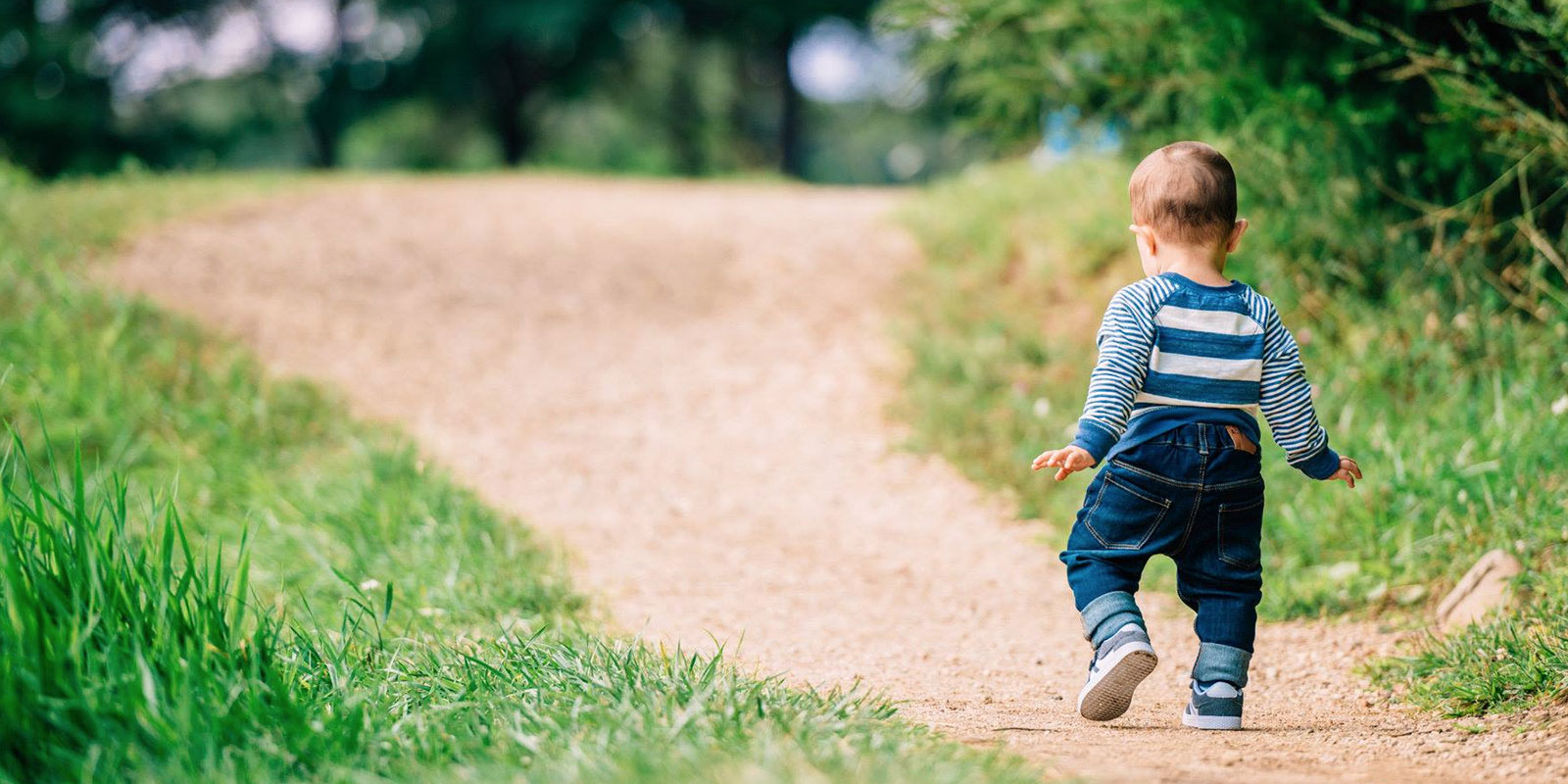
This sentence, “I want to be a wonderful parent,” has always remained in your head, right? But don’t try to be perfect parents all the time; we’re all humans, and we make mistakes and learn from them. Put your worries away and understand the basics concerning what you need to know in this guide. Something significant occurs in a baby’s growth from one year onwards: they begin taking their initial movements. This is among the fascinating discoveries for parents for sure.
Don’t Rush
While we already know that all kids are unique and use their own patterns, kids typically begin to walk between 12 and 14 months. Some children will begin walking earlier, while others will begin later, but you should not be concerned or attempt to force a child to walk if he is not mature. This is a pretty common occurrence among parents who wish to walk their children from a young age. Only after 18 months, if the baby is still unable to walk, should you consider consulting a professional to check out any developmental delays.
Go With their Pace
When a child can stand independently, they are prepared to walk. Their initial movements are a little uncomfortable because they don’t learn how to handle their balance. They walk with their legs spread out and their toes splayed outwards, and if the floor is even slight misalignment, they will tumble over. They get increasingly solid and balanced as the months pass until they learn the ability at approximately two years. It also provides youngsters with a significant sense of safety and a unique approach to the world. Babies begin to crawl between the ages of 7 and 9 months, a phase that leads to their first movements. However, some toddlers begin walking before they have completed the crawling stage. Their feet are stronger around ten months, and they can raise a foot off the floor and jump a little if you lift them even by wrists.
There is no Set Time
Babies can normally walk by the time they are 11 months old if they hold their hand or grab onto a sturdy surface. They will have almost complete control of their movements by 18 months. Kids know how to walk in distinct ways; turn, go backward, and so on. Kids can walk properly at 24 months and are ready to move on to the next stage: trying to run. Teaching babies to walk is a great way to keep them active. We can’t make children walk, but we can assist them when attempting to take their initial movements.
Allow them to spend as much time as possible on the floor to be motivated to step up and take their initial movements on their own. Create a safe environment for them to begin walking in by providing boxes or tables to grab onto (no risky corners). Placing items on the floor, such as cushions or rubber puzzles, can provide fresh stimulation. Encourage or compliment your child for each modest step forward so that they learn self-belief and wish to retain attempting because it is among the most significant factors in child mobility motivation.