
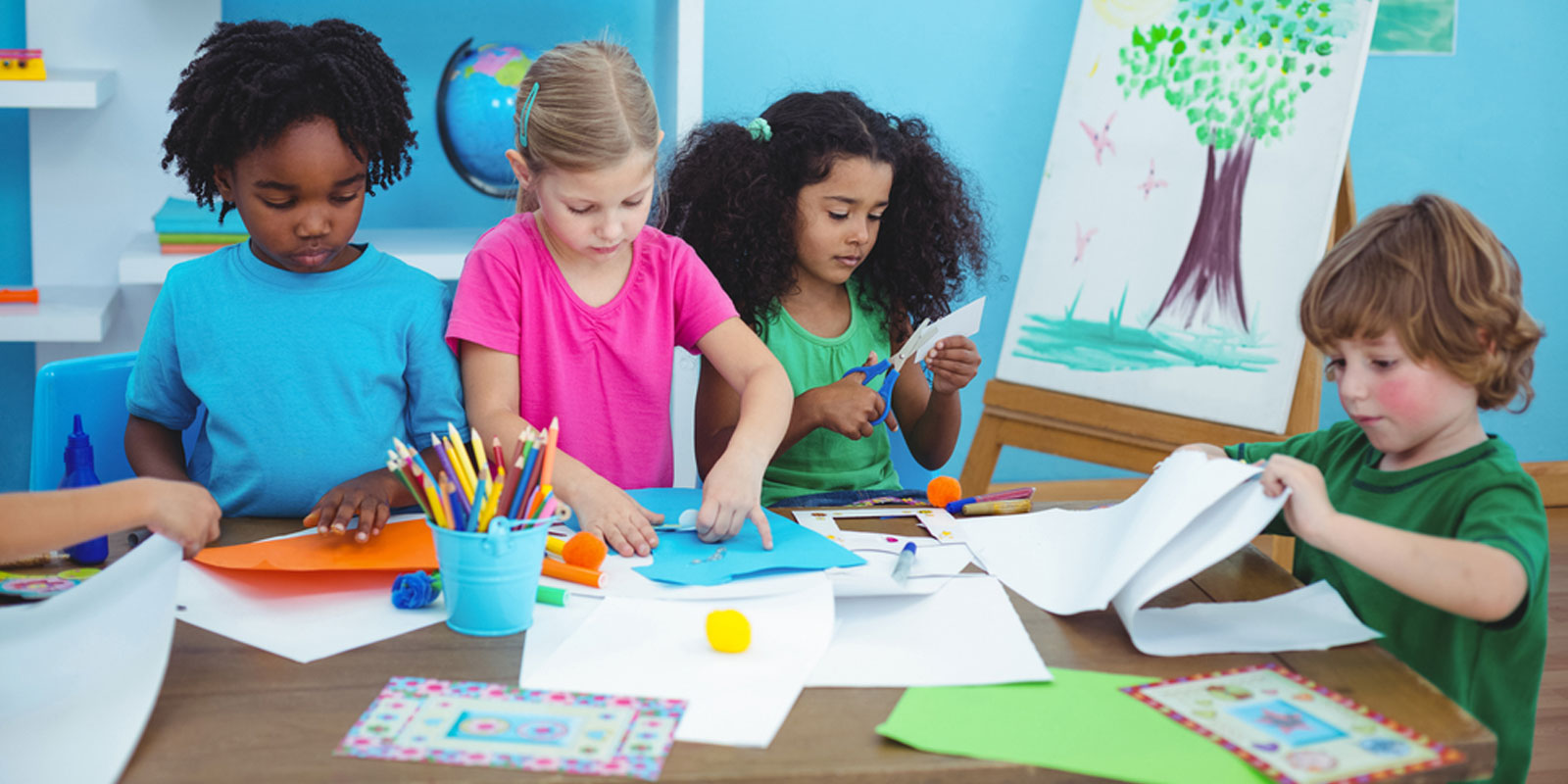
To have enough time to play, children need a lot of free time. It is the foundation of a child’s intellectual and emotional growth and their ability to express themselves verbally and creatively. The capacity to focus and learn about social interactions and conventions and the beginnings of scientific thinking are both essential for future success in the classroom. The United Nations has recognized the freedom of children to play as a universal human right.
Planning of play
An organized approach to teaching youngsters discipline and protecting their brains from being too stressed has been scientifically proven. Make it a competition. Pick up any little toys on the floor using a dustpan and an egg timer set for five minutes. This is a great opportunity for your child to have some fun.
Healthy playtime
Even though there is no right or incorrect manner for your child to play in their free time, ensure that your involvement is appropriate. In either case, you risk stifling or encouraging your child’s natural curiosity and imagination. It’s okay for your child to discover a level that works for them. Play-based learning is an ongoing process, so keep that in mind. Playtime with your child’s toys shouldn’t be overlooked.
Interacting with people while having fun
At this time, children learn to play together with each other. This kind of play is more common among younger children who have older siblings or have been exposed to many other children. These kids will continue to use the preceding stages of play to varying degrees at different times.
Game of phonics
Snap or bingo may be played using letters and sounds. Scribble letters on bits of paper or cardstock to create your flashcards. Each letter should have two of them. With these, have some fun with a snap. For a different approach, you may create a bingo card with eight boxes, each of which has an individual letter. Take turns calling bingo with the flashcards laid out face down in a pile.
Guess who game
Ask your child to visualize a family member or a close friend without revealing who it is. You may use the mystery person as a source of information until you discover who he is. This time, it’s up to both of you to prove your mettle in the game. Your child will improve their critical thinking skills by interpreting the game’s crucial hints. The game of ‘Guess Who’ may be used to teach children how to use descriptive words.
Summing all up…
In the long run, the skills children develop while playing will serve them well in their adult life. Problem solving, inventiveness and a willingness to take risks may all be learned via play. Your child needs time and space to have fun. Each of the six stages of early childhood play is crucial to your child’s growth and development. The stages of play are all about exploration, creativity, and fun. The author of this piece examines how children’s play changes as they grow up and develop socially.
